
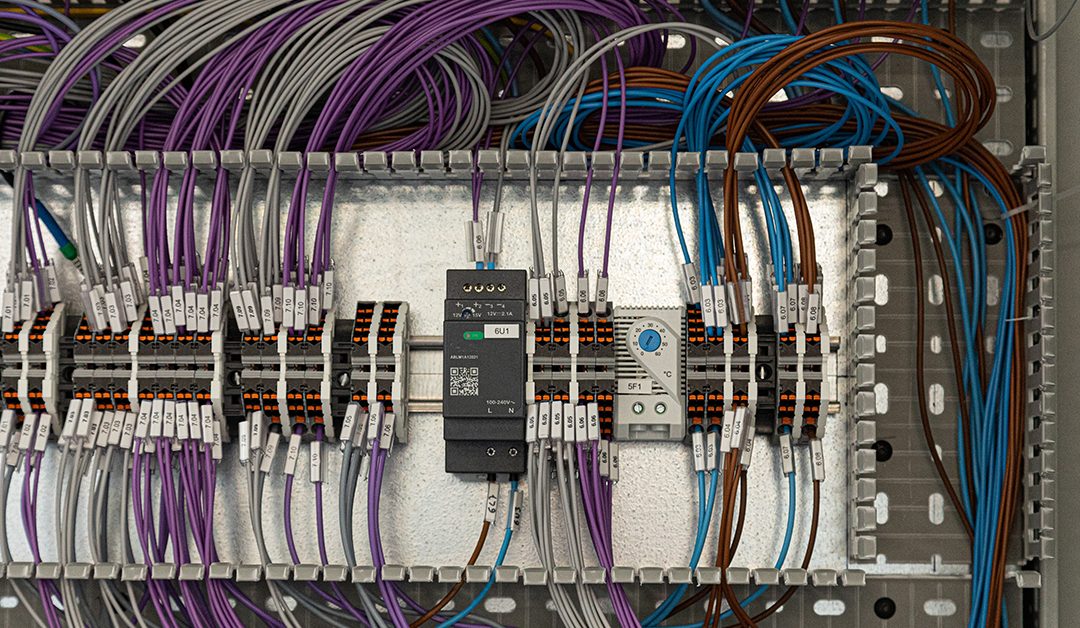
As a general contractor or architect, you understand the complexities of retrofitting commercial and industrial projects. From navigating existing infrastructure to meeting modern building codes, retrofit projects require careful planning, coordination, and expertise.
In this guide, we’ll explore the key considerations for general contractors and architects when it comes to retrofitting commercial and industrial projects in Texas, New Mexico, and Oklahoma.
Assessing Existing Conditions
Before beginning a retrofit project, it’s essential to assess the existing conditions of the building. This includes:
- Evaluating the condition and capacity of existing MEP systems
- Identifying potential asbestos or hazardous materials
- Assessing the structural integrity of the building
- Reviewing existing building codes and regulations
MEP Design Considerations
When it comes to retrofitting commercial and industrial projects, MEP design plays a critical role. Here are some key considerations:
- System Integration: Ensuring seamless integration of new MEP systems with existing infrastructure
- Energy Efficiency: Incorporating energy-efficient systems and technologies to reduce energy consumption and costs
- Code Compliance: Verifying that your retrofit project meets or exceeds local building codes and regulations
- Scalability and Flexibility: Designing MEP systems that can adapt to changing occupancy needs and future expansion plans
Coordinating with Stakeholders
Effective communication and coordination with stakeholders are crucial to the success of a retrofit project. This includes:
- Owner/Client: Ensuring that the owner’s goals, objectives, and expectations are met
- Subcontractors: Coordinating with subcontractors to ensure that all trades are working together seamlessly
- Local Authorities: Working with local authorities to ensure compliance with building codes and regulations
Overcoming Common Challenges
Retrofitting commercial and industrial projects can be complex and challenging. Here are some common obstacles and strategies for overcoming them:
- Limited Budget: Prioritizing your retrofit goals, phasing your project, and exploring energy-efficient financing options
- Space Constraints: Working with an experienced MEP design team to optimize system layouts and selecting compact equipment
- Minimizing Disruption: Coordinating with occupants, scheduling work during off-hours, and implementing phased construction
Conclusion
Retrofitting commercial and industrial projects requires careful planning, coordination, and expertise. By assessing existing conditions, considering key MEP design factors, coordinating with stakeholders, and overcoming common challenges, general contractors and architects can deliver successful retrofit projects that meet the needs of building owners and occupants.
Whether you’re working on a retrofit project in Texas, New Mexico, or Oklahoma, the experienced team at CAPCo Engineering is here to provide expert MEP design services and support. Contact us today to learn more.